
Liability Cover
Pays for injuries or damage you cause to other people in a covered crash, up to the limits you choose.
View Details
Know what your car policy covers
Get a clear look at how auto insurance works and which protection makes sense for the car you drive.
Explore CoverageCar insurance has a lot of moving parts. I break it into small pieces, so you can see what each coverage is for before you add it to your policy.
Pays for injuries or damage you cause to other people in a covered crash, up to the limits you choose.
View Details
Helps repair or replace your own car after it hits another vehicle or an object, minus your deductible.
View Details
Steps in when a driver who hits you has no insurance, or not enough to pay for the harm they caused.
View DetailsWhat you drive and how you paid for it both shape which protection makes the most sense. With a loan or lease, the lender will likely ask for cover on damage to the car itself. If you own the car free and clear, the choice is more yours to make.
View Options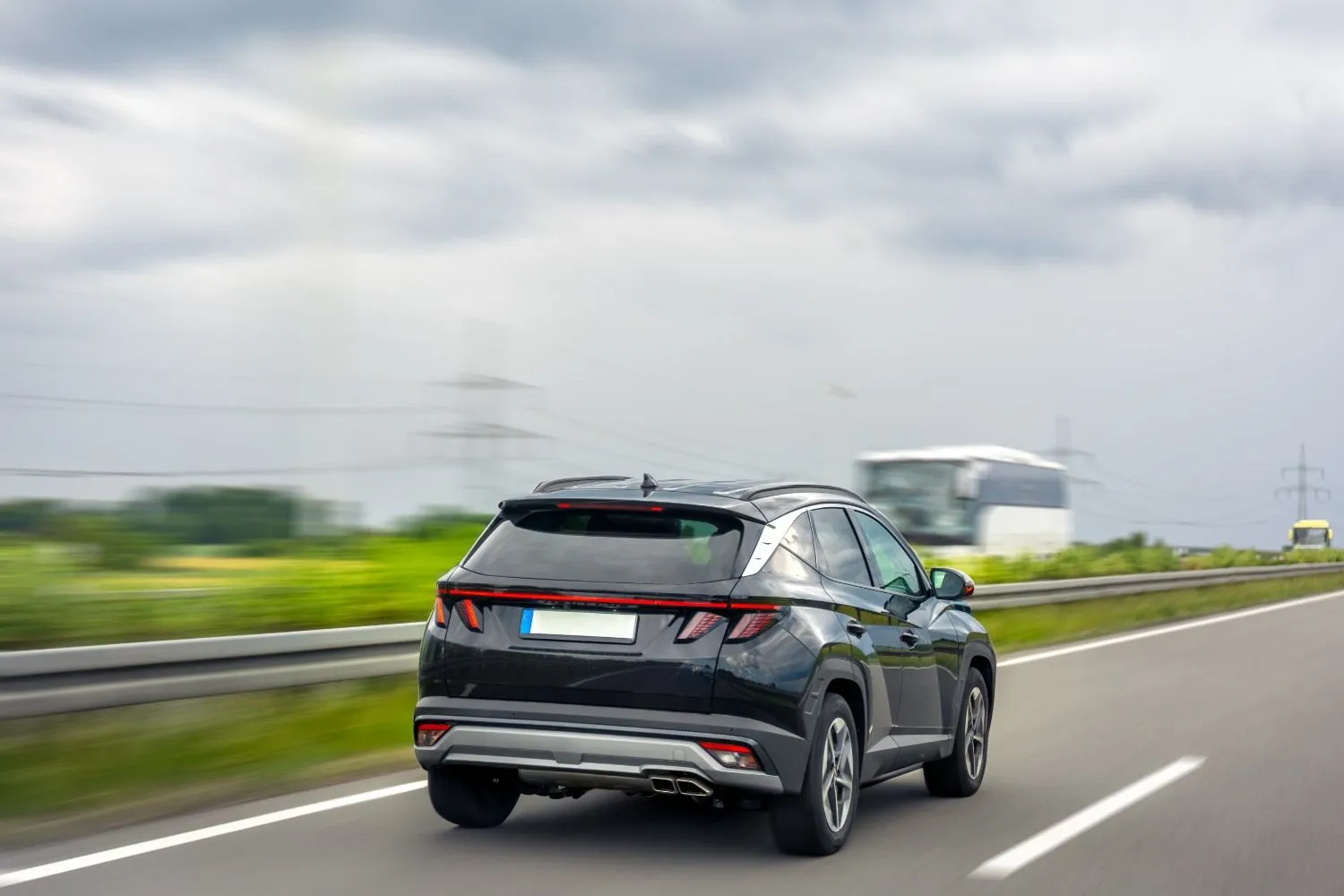

Every coverage type gets a short, simple meaning you can follow.

See how each choice shifts what a policy pays and what you pay.

Your driving record and miles on the road can shape your price.

A new car or an added driver is a good cue to look at your policy again.
I used to skip uninsured motorist cover to save a little. Once I saw what it pays for, I added it right away and I feel much better on the road.
The deductible part made sense to me for once. I picked an amount I can really cover if my truck ends up in the shop.
Those three liability numbers always lost me. Now I know what each one means, and I raised mine above the bare minimum.
PIP helps pay medical bills for you and your passengers after a crash, no matter who caused it. Some states require it, and others don't offer it at all.
If your car is totaled and you owe more on the loan or lease than it is worth, gap insurance can pay the difference.
Glass damage often falls under the part of a policy that handles non-collision events, like hail or a flying rock. Some policies also offer separate glass cover.
Theft is usually covered only if your policy includes protection for non-collision losses. Liability alone won't pay to replace your car.
Many insurers offer roadside help as an add-on. It can cover things like towing, a jump start or a flat tire change.